
Is there a way to access advanced cosmetic or therapeutic treatments while potentially reducing out-of-pocket costs? Botox clinical trials have quietly become one of the more practical entry points for individuals exploring both aesthetic and medical uses of botulinum toxin, offering structured access to emerging techniques under medical supervision. For many, the appeal lies not only in innovation, but in the balance between cost, safety oversight, and early exposure to evolving treatment standards.
Understanding What Botox Clinical Trials Involve
Botox clinical trials are formal research studies designed to evaluate how botulinum toxin performs across a range of uses, from wrinkle reduction to medical conditions like chronic migraines or muscle spasticity. These trials are conducted in phases, each with its own level of rigor, participant criteria, and oversight, typically overseen by regulatory bodies and institutional review boards.
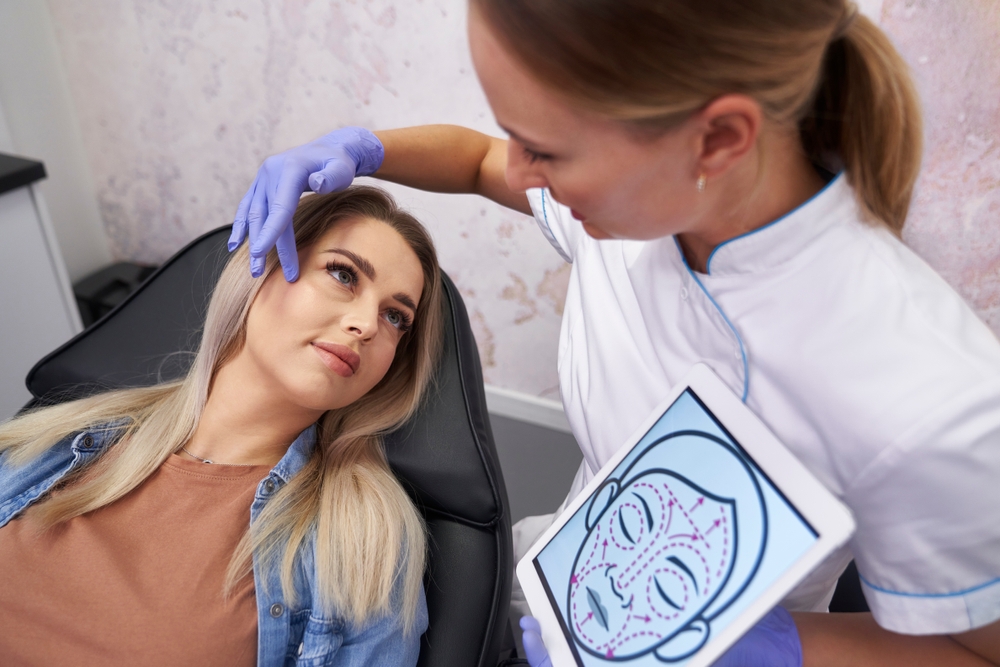
Participants are not simply “trying something new” in a casual sense. They are part of a controlled environment where dosage, technique, and outcomes are carefully tracked. This structure often leads to a more attentive level of care than standard cosmetic appointments, as providers are required to document outcomes in detail.
The scope of these trials has expanded significantly in recent years. Beyond cosmetic applications, research continues to explore therapeutic uses, including excessive sweating, jaw tension, and even certain neurological conditions. For participants, this means access to treatments that may not yet be widely available in conventional settings.
Why People Consider Joining Clinical Trials
The motivations for joining a Botox clinical trial tend to be practical rather than purely experimental. Cost is often a central factor, as treatments provided through trials are typically covered or significantly subsidized. This can make high-quality care accessible to individuals who might otherwise delay or avoid treatment.
There is also a growing awareness of the value of being treated in a structured medical environment. Clinical trials require consistent monitoring, standardized procedures, and follow-up assessments, which can translate into a more measured and transparent treatment experience.
Some participants are drawn by the opportunity to explore newer techniques or formulations before they reach broader markets. While this carries some uncertainty, it also offers early exposure to innovations that may eventually redefine standard care practices.
Eligibility And Screening Expectations
Entry into a Botox clinical trial is not automatic. Each study defines its own eligibility criteria, which may include age ranges, medical history, treatment goals, and prior exposure to botulinum toxin. This screening process ensures that participants align with the study’s objectives and minimizes potential risks.
The evaluation process often includes consultations, health assessments, and a review of medications or underlying conditions. For cosmetic-focused trials, factors such as skin condition, muscle activity, and previous treatments may also be considered.
This level of screening can feel selective, but it serves a practical purpose. By narrowing participant groups, researchers can generate clearer, more reliable data, while also ensuring that individuals receive treatments suited to their specific profile.
Common Eligibility Factors Considered
- Age range aligned with study parameters
- No conflicting medical conditions or medications
- Specific cosmetic or therapeutic concerns targeted by the trial
- Limited or defined prior exposure to similar treatments
- Willingness to attend follow-up visits and evaluations
How Treatment Is Administered In Trials
Botox administration within a clinical trial follows a standardized protocol that differs from typical office visits. Dosages, injection sites, and techniques are pre-defined by the study design, ensuring consistency across all participants. This reduces variability and allows researchers to isolate the effects of the treatment itself.
Appointments are typically longer and more structured. Providers may take baseline measurements, photographs, or muscle activity assessments before proceeding with injections. Follow-up visits are scheduled at specific intervals to track results and monitor any side effects.
While the process may feel more formal, many participants find reassurance in the level of detail and oversight. The emphasis on documentation and consistency often leads to a more methodical approach than standard cosmetic procedures.
Costs, Compensation, And Financial Considerations
One of the most compelling aspects of Botox clinical trials is the financial structure. In many cases, participants receive treatment at no cost, along with compensation for time and travel. This can significantly reduce the financial barrier typically associated with cosmetic or therapeutic Botox use.
However, not all trials are structured the same way. Some may cover only the treatment itself, while others include stipends or reimbursements. It is important to understand what is included before enrolling, particularly when considering long-term participation or multiple visits.
From a broader perspective, clinical trials can be seen as a way to evaluate treatment value before committing to ongoing costs. Participants gain firsthand experience with results, duration, and maintenance needs, which can inform future decisions about continuing treatment outside of a trial setting.
Typical Financial Elements In Trials
- Treatment costs fully or partially covered
- Travel or time compensation in some studies
- No obligation for future paid treatments
- Access to follow-up care within the study period
- Transparent cost disclosures before enrollment
Potential Benefits And Trade-Offs
Clinical trials offer clear advantages, but they also come with trade-offs that should be considered carefully. On the benefit side, participants receive structured care, reduced costs, and access to emerging treatment approaches. The level of monitoring can also provide reassurance, particularly for those new to Botox.
At the same time, the standardized nature of trials means less flexibility. Injection patterns and dosages are not customized in the same way they might be in a private practice setting. Participants must also adhere to scheduled visits and reporting requirements, which can be time-intensive.
There is also an element of uncertainty. While Botox itself is well-established, the specific protocols being tested may vary. Understanding this balance between opportunity and limitation is key to making an informed decision.
Practical Trade-Offs To Consider
- Less customization compared to private treatments
- Fixed appointment schedules and follow-ups
- Possible placebo groups in certain studies
- Limited ability to adjust treatment mid-study
- Commitment to study timelines and protocols
How To Find And Evaluate Opportunities
Finding a Botox clinical trial typically involves searching through research registries, medical institutions, or specialized trial-matching platforms. Many healthcare providers also maintain partnerships with research organizations and may refer eligible patients.
Evaluating a trial requires attention to detail. Key considerations include the study phase, location, duration, and the credentials of the overseeing institution. Transparency in communication is a strong indicator of a well-run study, particularly when it comes to outlining risks, expectations, and compensation.
Participants should also consider logistical factors such as travel time, frequency of visits, and how the trial fits into their daily routine. A well-matched study is not only medically appropriate but also practical to complete.
What Botox Clinical Trials Reveal About The Future Of Treatment
Botox clinical trials reflect a broader shift in how treatments are developed, refined, and delivered. They offer a glimpse into evolving techniques, expanded medical applications, and new approaches to patient care that prioritize both outcomes and accessibility.
For individuals considering Botox, these trials provide more than just a cost-saving opportunity. They offer a structured way to engage with treatment in a setting that emphasizes safety, consistency, and long-term evaluation. In that sense, participation becomes not only a personal decision but also part of a larger movement shaping how these treatments are understood and used.