
Have you started weighing whether a research study might be part of your path toward dental implants? For many people, implants represent a significant decision involving time, money, and expectations about long-term function. Clinical trials sit alongside conventional treatment as one avenue worth understanding. They carry distinct rules, timelines, and tradeoffs that shape the overall experience in ways that differ from a standard appointment at a private practice.
Where Trial Participation Sits Among Your Options
When you consider implants, you are usually choosing among a handful of routes. A private practice offers predictable scheduling and direct billing. A dental school clinic often provides reduced fees in exchange for supervised student work. Clinical trials for dental implants add a third possibility, one tied to a specific research question rather than a purely commercial arrangement.
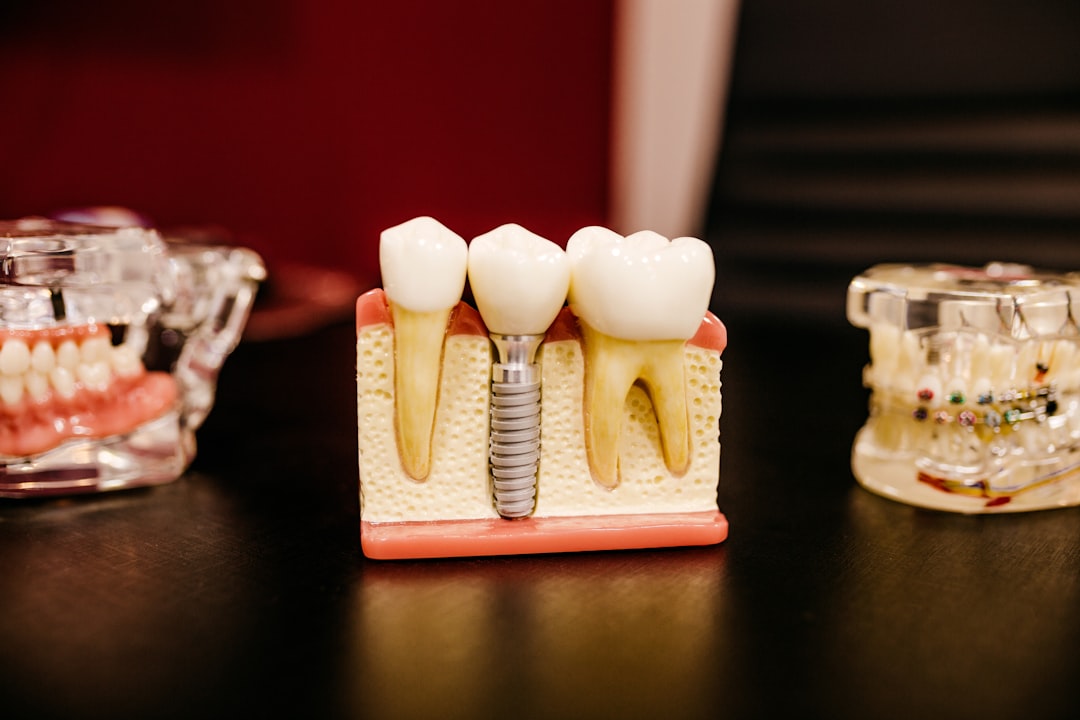
The distinction matters because a trial is designed to answer something, not simply to deliver a service. You might receive a newer implant surface, a modified grafting protocol, or a comparison between two established techniques. That research purpose influences everything from your eligibility to how often you return for follow-up visits.
Understanding this framing early helps you judge whether a study fits your situation or whether a conventional route serves you better.
Factors That Distinguish A Study From Routine Care
- Eligibility is defined by strict criteria, so not everyone who wants implants qualifies
- Some or all costs may be offset by the sponsoring institution, though this varies widely
- Follow-up schedules tend to be more frequent and more thoroughly documented
- You may be assigned to a treatment group rather than choosing your exact procedure
- Data from your case contributes to broader findings that inform future care
What Costs And Value Actually Look Like
Cost is often the first practical question, and the answer is rarely simple. Some trials cover the implant, the surgery, and associated imaging, which can represent meaningful savings compared with market rates that frequently run into the thousands per tooth. Others cover only the experimental component while leaving you responsible for standard portions of care.
It helps to look past the headline of reduced expense. A study that covers the procedure but requires a dozen follow-up visits over two years carries its own costs in time, travel, and time away from work. For someone with a demanding schedule, those indirect expenses can offset the direct savings.
Long-term value also deserves attention. An implant placed within a well-monitored study may benefit from closer oversight, which can catch complications early. That said, if a trial tests an unproven approach, the durability of the result is precisely the open question being studied.
Practical Expenses To Map Before You Commit
- Which procedure elements are covered and which remain your responsibility
- Travel and time required for the full follow-up period, not just the surgery
- Whether restorative work, such as the crown, is included or billed separately
- Coverage for managing complications should they arise
- Any compensation offered for your participation and visits
Timelines, Outcomes, And The Tradeoffs You Accept
Timelines in research settings often differ from what you would experience elsewhere. Enrollment may involve a screening period, consent discussions, and baseline imaging before any treatment begins. That front-end process can add weeks, which matters if you are managing pain, a failing tooth, or a gap that affects daily function.
Outcomes carry a layer of uncertainty that conventional care does not. In a study comparing two methods, you may not know in advance which you will receive, and the whole point is that the answer is not yet settled. For some readers, contributing to that knowledge feels worthwhile. For others, the preference is a predictable, established procedure with a known track record.
The tradeoff comes down to how much certainty you require against what a study offers in return. Weighing your tolerance for the unknown against your practical needs is a personal calculation.
Questions That Clarify The Tradeoff
- How urgent is your treatment need relative to the enrollment timeline
- Are you comfortable with random assignment if the study uses it
- What happens if you choose to leave the study partway through
- How does the follow-up commitment fit your work and family obligations
- What is the established performance of the technique being tested
How To Evaluate A Study Before You Say Yes
Approaching a trial as an informed participant means asking the same rigorous questions you would ask any provider, plus a few specific to research. You are entitled to understand who sponsors the work, what oversight governs it, and how your safety is protected. Legitimate studies operate under review board approval and provide a detailed consent document you can take home and read carefully.
It is reasonable to request the credentials of the surgical team, since experience with implant placement affects results regardless of the research context. You can also ask how the study handles a participant whose treatment does not go as planned, because a clear contingency plan signals a well-run program.
Finally, consider consulting your regular dentist about any study you are contemplating. An outside perspective from someone who knows your history can help you interpret whether the arrangement aligns with your broader oral health goals and your financial reality.
Documents And Details Worth Reviewing In Advance
- The informed consent form, including its description of risks and alternatives
- Evidence of ethics or review board approval for the study
- The specific responsibilities expected of you throughout the trial
- Provisions for withdrawing without penalty to your future care
- Contact information for questions that arise after enrollment
Bringing The Decision Back To Your Own Priorities
A trial is neither inherently better nor worse than a standard route; it is a different arrangement with its own balance of benefits and obligations. The right choice depends on your timeline, your budget, your appetite for uncertainty, and the value you place on close monitoring or on contributing to future knowledge. Each of these carries real weight in daily life.
Some people find that the structured oversight and potential savings of a study align well with their circumstances. Others conclude that a conventional procedure, with its predictable path and settled expectations, suits them better. Both conclusions can be entirely rational given different priorities.
What matters most is that you enter the decision with a clear view of the practical details rather than the headline appeal of any single factor. Clinical trials for dental implants occupy a specific place in the wider landscape of treatment, and understanding that place equips you to make a choice grounded in your own needs.