
Have you ever wondered what actually happens after you agree to join a diabetes clinical trial? These studies shape the medications and devices that eventually reach pharmacy shelves, yet the day-to-day reality of participation is rarely explained in plain terms. The commitment can range from a few phone calls to years of regular visits. Understanding what a trial asks of you is the first step in deciding whether one aligns with your health and your schedule.
How Enrollment Criteria Determine Whether You Qualify
Every trial begins with a set of eligibility rules, and they are stricter than most people expect. A study testing a new insulin might require a specific A1C range, a certain diabetes type, or an age bracket that leaves many interested candidates out. This is not arbitrary gatekeeping. Researchers narrow the pool so they can measure the effect of a treatment without confounding factors muddying the results.
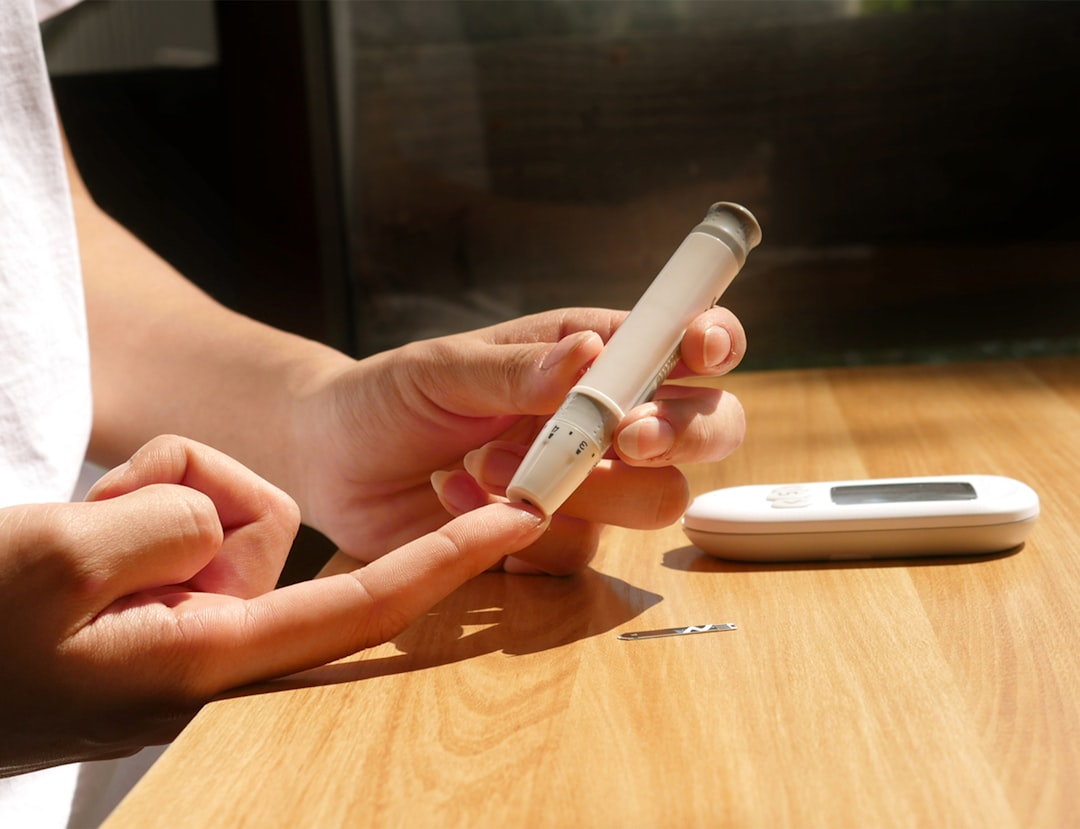
For you, this means the screening process can feel like a series of hurdles. You may complete an initial questionnaire, then a blood draw, then a physical exam, only to learn that a secondary condition disqualifies you. Some people move through screening for two or three trials before finding one that fits.
The upside is that qualifying often comes with thorough baseline testing you might not otherwise receive. A candidate for a continuous glucose monitor study, for instance, may get detailed metabolic panels that reveal patterns their routine care missed.
Common Factors That Affect Eligibility
- The specific type of diabetes you have been diagnosed with
- Your current medications and whether they must be paused
- Kidney, liver, or heart conditions that could complicate results
- How recently you were diagnosed or last changed treatment
- Whether you have participated in another trial recently
What the Time and Travel Commitment Really Looks Like
The phrase "clinical trials diabetes" often conjures a single appointment, but many studies stretch across months or years. A trial evaluating long-term cardiovascular outcomes may ask you to return every few weeks for the first phase, then quarterly for follow-up. Each visit might last an hour or an entire morning, depending on the tests involved.
Travel is a practical factor worth weighing before you commit. If the research site sits an hour away and you need to attend twenty visits, that time adds up quickly. Some trials reimburse mileage or parking, and a few offer stipends for your time, though the amounts vary widely and rarely cover lost wages.
Consider a working parent enrolled in a device study that requires monthly daytime visits. The value of early access to new technology has to be balanced against the hours away from a job or family. That tradeoff is personal, and it deserves honest reflection.
Weighing the Costs, Coverage, and Potential Benefits
One reason people explore trials is financial. Study-related medications, monitoring, and visits are typically provided at no charge to the participant, which can ease the burden for someone managing the ongoing expense of diabetes care. That said, the picture is more nuanced than free treatment.
Routine care unrelated to the study still runs through your regular insurance. If a trial medication causes a side effect that sends you to an outside doctor, that cost may fall to you. It helps to ask the study coordinator exactly which services the trial covers and which remain your responsibility.
The potential benefits extend beyond cost savings. Participants often gain access to treatments years before general availability, along with attentive monitoring from a research team. There is also the long-term value of contributing to knowledge that may improve care for others living with the condition.
Questions Worth Asking Before You Sign
- Which tests, medications, and visits does the trial pay for
- What happens to your treatment access once the study ends
- Are stipends or travel reimbursements offered, and how much
- Who covers care if you experience an adverse reaction
- Can you leave the study at any point without penalty
Understanding Risks, Randomization, and Your Rights
A defining feature of many diabetes trials is randomization. You may be assigned to receive the experimental treatment, a standard therapy, or in some cases a placebo. This uncertainty matters because you cannot always count on receiving the newest option, and you often will not know which group you are in until the study concludes.
Risk is inherent in testing something not yet fully understood. Side effects may be known and monitored, or they may be unexpected. Ethical oversight boards review every protocol, and informed consent documents spell out what researchers currently know about potential harms. Reading that document carefully, rather than skimming it, is one of the most important things you can do.
Your rights are protected throughout. You can withdraw at any time, ask questions of the research staff, and request clarification on anything you do not understand. A reputable trial treats your comfort and comprehension as a priority, not an afterthought.
Signs of a Well-Run Study Environment
- Clear, written explanations of procedures and possible risks
- Staff who welcome your questions rather than rushing you
- Oversight by an ethics or review board named in your paperwork
- A defined plan for your care if you choose to stop participating
- Transparent contact information for concerns between visits
Deciding Whether a Trial Fits Your Life
Bringing these considerations together means looking honestly at your own circumstances. Someone with a flexible schedule, stable transportation, and curiosity about emerging treatments may find a trial rewarding. Another person juggling work, caregiving, and a long commute might conclude that the demands outweigh the benefits, and that is an equally valid outcome.
It can help to discuss the option with your regular physician, who knows your history and can flag concerns a research coordinator might not. Your care team can also help interpret how a trial medication might interact with your existing routine and long-term goals.
Participation in clinical trials for diabetes remains a deeply individual choice shaped by your health, your finances, and your appetite for the unknown. The decision rests on how these practical factors line up against what you hope to gain.
Bringing the Decision Into Focus
The reality of a diabetes trial rarely matches the simplified version people carry in their heads. Between eligibility screening, travel demands, coverage gaps, and the uncertainty of randomization, there is a good deal to consider before you commit your time. Each of these elements carries weight, and none should be dismissed lightly.
What makes participation meaningful for one person may make it impractical for another. A retiree near a research hospital experiences the commitment very differently than a shift worker across town. Neither perspective is wrong; they simply reflect different lives and priorities.
Taking the time to understand what a study asks of you, and what it offers in return, gives you the footing to make a choice that reflects your own situation.