
Have you considered what enrolling in a study for lower back pain would actually ask of you? Clinical trials offer access to emerging treatments and structured medical attention, but they also carry practical demands that deserve honest evaluation. Before committing, it helps to look closely at the money involved, the time you'll spend, and the health realities that shape whether participation fits your life right now.
Understanding the Financial Picture
Money is often the first thing people misjudge about research participation. Many assume enrollment means covered care across the board, but the reality is more layered. Study-related procedures tied directly to the protocol are typically paid for by the sponsor, yet routine visits, standard imaging, or unrelated care may still route through your regular insurance or out of your pocket.
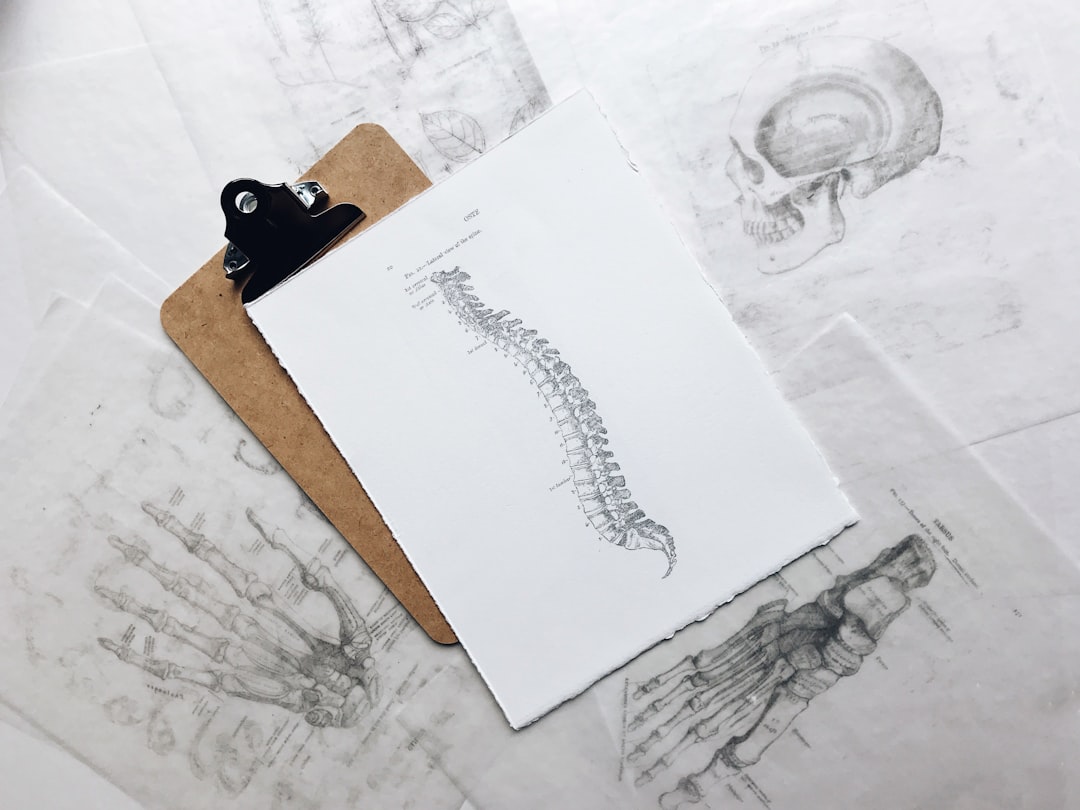
Consider someone joining a study testing a new injection for chronic disc pain. The injections and monitoring might be covered, but the follow-up physical therapy they still need could remain a personal expense. Reading the informed consent document for cost language matters as much as reading it for medical risk.
Expenses Worth Clarifying Before You Sign
A short list of financial questions can prevent surprises later in the process.
- Which procedures the sponsor pays for and which fall to your insurance
- Whether travel, parking, or lodging reimbursements exist and how they are processed
- If any stipend is offered for your time and whether it is taxable
- What happens to coverage if you withdraw before the study ends
The Time Commitment Behind Participation
Clinical trials for lower back pain frequently demand more of your schedule than a typical appointment cycle. Protocols often require baseline visits, regular check-ins, imaging sessions, and questionnaires that stretch across weeks or months. For someone already managing pain that limits mobility, the logistics of repeated travel can become a genuine burden rather than a minor inconvenience.
Think about a working parent whose back pain already complicates commuting and childcare. A study requiring biweekly visits an hour away introduces real friction. The value of the treatment has to be weighed against the sustained effort of showing up, on schedule, for the full duration.
Scheduling Factors That Shape Feasibility
These practical elements often determine whether the calendar realistically supports enrollment.
- Frequency of required visits and their typical length
- Distance to the research site and available transportation
- Flexibility for rescheduling around work or family obligations
- The total span of the study, from screening through final follow-up
Health Risks and Personal Readiness
Every trial studying lower back pain treatments carries a degree of uncertainty, because the intervention is still being evaluated. That uncertainty is the point of the research, but it means outcomes are not guaranteed and side effects may be incompletely understood. Weighing this requires an honest look at your current condition, your tolerance for the unknown, and how a new variable might interact with treatments you already rely on.
Some studies include a control group receiving a placebo or standard care rather than the experimental therapy. If your pain is severe and actively worsening, spending months in a comparison group may not align with your immediate needs. Discussing this possibility with your own physician adds a valuable outside perspective.
Your medical history also plays a decisive role in eligibility. Prior surgeries, existing prescriptions, and coexisting conditions can either qualify or exclude you, and being forthcoming during screening protects your safety throughout the study.
Health Questions to Raise During Screening
Direct conversation with the research team can clarify whether the study suits your situation.
- The likelihood of being placed in a placebo or standard-care group
- Known side effects observed in earlier phases of the research
- How the treatment may interact with medications you currently take
- What medical support is available if your pain intensifies during the trial
Weighing Long-Term Value Against Short-Term Effort
Beyond the immediate costs and demands, participation can carry value that extends well past the study's final visit. Some participants gain access to specialists and monitoring they might not otherwise afford, while others contribute to research that shapes future care for lower back pain more broadly. That sense of contribution is real, even when the personal treatment outcome is uncertain.
Still, long-term value only materializes if the near-term effort is sustainable. A study that strains your finances or exhausts your schedule may not be worth continuing, regardless of its scientific promise. The strongest decisions come from balancing what you might gain against what the coming months will genuinely require of you.
It also helps to think about what happens after the trial concludes. If an experimental therapy works well for you, access afterward is not always guaranteed, and returning to conventional treatment options may involve its own adjustments. Understanding these realities lets you enter the process with clear expectations and a grounded sense of what participation means for your ongoing care.
Deciding whether to join clinical trials for lower back pain is ultimately a personal calculation shaped by your finances, your calendar, and your health circumstances. Each of these factors carries weight, and the right choice looks different from one person to the next.